News
 Verses Against Tyranny: Faiz, Habib Jalib, and the Poetic Architecture of Protest and Peace
The 77th National Day of the People’s Republic of China and Beijing’s Developmental Trajectory Through 2026
The Forgotten Battlefield of 9/11: How the War on Terror Reshaped Central Asia
Iran and Turkmenistan: From Stable Neighborliness to Geoeconomic Partnership
Georgia and the Mackinder Trap: Geographical Significance and the Limits of Strategic Autonomy
Verses Against Tyranny: Faiz, Habib Jalib, and the Poetic Architecture of Protest and Peace
The 77th National Day of the People’s Republic of China and Beijing’s Developmental Trajectory Through 2026
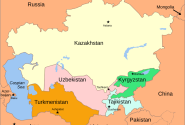
The Forgotten Battlefield of 9/11: How the War on Terror Reshaped Central Asia
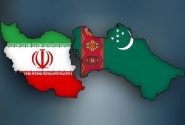
Iran and Turkmenistan: From Stable Neighborliness to Geoeconomic Partnership
Georgia and the Mackinder Trap: Geographical Significance and the Limits of Strategic Autonomy
Economy
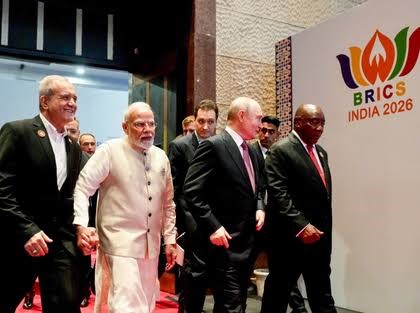
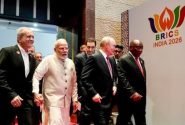
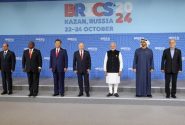
India and the New BRICS Architecture in 2026: Multi-Alignment Diplomacy, Sustainable Development, and Iran’s Strategic Opportunities
A Field-Based Analytical Account from Dual Strategic and Environmental Perspectives



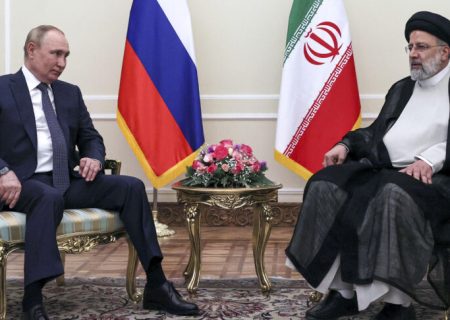
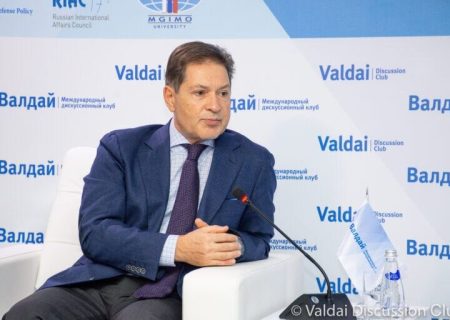
Russian professor proposes free trade regime and common technological space with Iran
MOSCOW - Russian Professor Andrey Bezrukov suggests establishing a free trade agreement and a common economic and technological space between Russia and Iran.
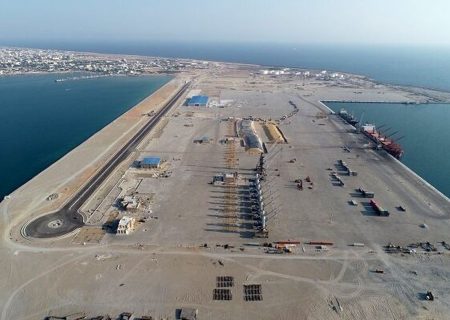
Chabahar Port Transit Project: The Eastern Wing of the International North–South Transport Corridor (INSTC)
The Chabahar Port Transit Project, is of great importance in the “International North–South Transport Corridor” (INSTC), because it is the only Iranian port with direct access to the Indian Ocean., writes Valdai Club expert Vali Kaleji.
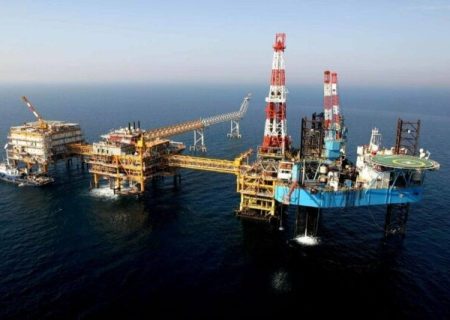
Capacities and Dimensions of Russian Investment in Iranian Oil and Gas Fields
under the current conditions of sanctions, which have stopped foreign investment in Iran’s oil and gas industries, Tehran hopes it can capitalize on the postwar conditions in Russia following the end of the Ukraine conflict and the extensive Western sanctions against Moscow to attract additional investments from the Kremlin.
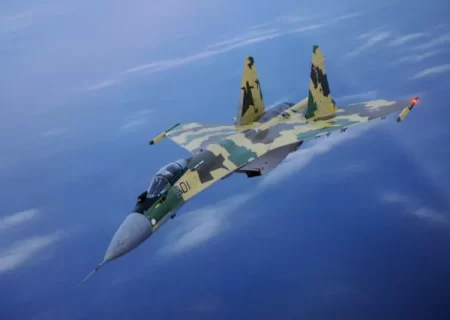
Iran’s Purchase of Russian Fighter Jets Underlines Shifting Regional Geopolitics
The news of Iran’s planned purchase of Russian Sukhoi Su-35 advanced fighter jets is the latest sign of deepening relations between Tehran and Moscow.
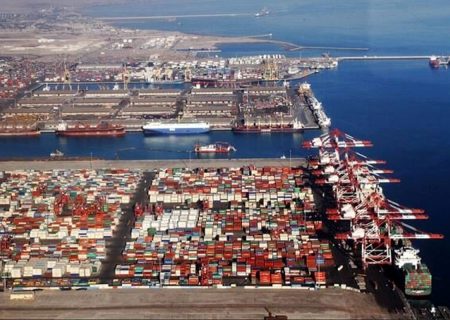
Expanding Maritime Trade Between Iran and Russia in the Caspian Sea: Capacities and Challenges
During the past year, very important and positive developments have taken place in the cooperation between the two countries in the Caspian Sea, which needs to be strengthened and developed.
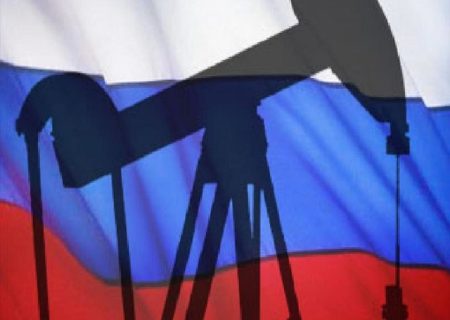
The ineffectiveness of setting the oil price ceiling for Russia to surrender
Strategic Council Online-Opinion: Recently, the Group of Seven, including seven countries with advanced economies, decided to set the price ceiling of Russian crude oil at 60 dollars per barrel in order to hit the main source of Moscow’s income at the same time as the country’s war against Ukraine is prolonged. The European Union also supported the Russian oil price cap and the US government welcomed it. Pouria Nabipour – PhD in Political Science and International Relations
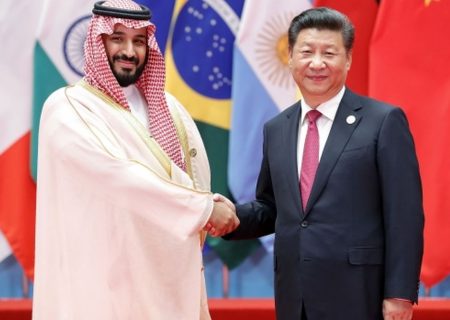
Strategic factors behind China’s (US rival) tendency towards the Persian Gulf region
Strategic Council Online—Opinion: In the recent visit of the President of China to Saudi Arabia and the unacceptable association of this country with the anti-Iranian statements of the Saudi authorities and also the members of the Persian Gulf Cooperation Council, while provoking public anger in Iran, has raised various ideas and analyses surrounding why this happened and the reasons for China’s closeness to the Arab countries of the Persian Gulf; But in this news-analytical frenzy, what has been neglected or at least less addressed is the examination and analysis of the variables and factors that caused China to be attracted to the Persian Gulf region as a competing power of the United States and its eagerness to enter into strategic agreements with various countries in this region. Mohammad Mehdi Mazaheri—University professor

The 77th National Day of the People’s Republic of China and Beijing’s Developmental Trajectory Through 2026