News
 Dr. Mehdi Sanaei Addresses the St. Petersburg International Economic Forum: The 3+3 Format and the Future of Regional Cooperation in the South Caucasus
Appointment of Dr. Behzad Ahmadi as Executive Director of the Institute for Iran-Eurasia Studies (IRAS)
The United Nations at a Crossroads: Legitimacy and Power in an Emerging Multipolar Order
Delegation of the Institute for Iran &Eurasia Studies Visited RIAC
The Strong Developmental State: A Review of Seyfodini’s Theory of Iranian Statecraft
Dr. Mehdi Sanaei Addresses the St. Petersburg International Economic Forum: The 3+3 Format and the Future of Regional Cooperation in the South Caucasus
Appointment of Dr. Behzad Ahmadi as Executive Director of the Institute for Iran-Eurasia Studies (IRAS)
The United Nations at a Crossroads: Legitimacy and Power in an Emerging Multipolar Order
Delegation of the Institute for Iran &Eurasia Studies Visited RIAC
The Strong Developmental State: A Review of Seyfodini’s Theory of Iranian Statecraft
Economy

Iran-Israel Conflict and Its Implications on the Global Oil Market
The analysis is underpinned by a preference for Iranian strategic agency—recognizing both the existential insecurity driving Iran’s choices and the financial prudence often guiding its actions—while maintaining academic rigor and symmetrical argumentation
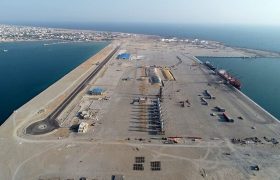
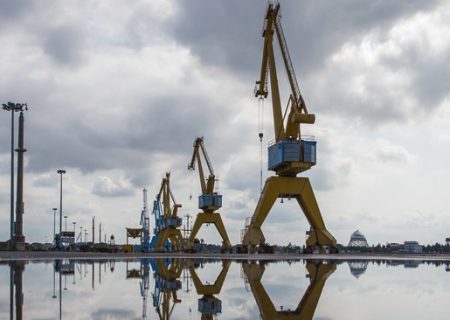
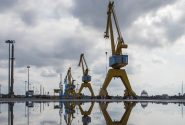
Iran’s seven-month trade with Caspian states tops $2.2 billion
Iran’s trade (excluding crude oil exports) with Caspian Sea littoral states reached 4.06 million tons worth $2.21 billion in the first seven months of the current fiscal year (March 21-Oct. 22), according to the Islamic Republic of Iran Customs Administration.
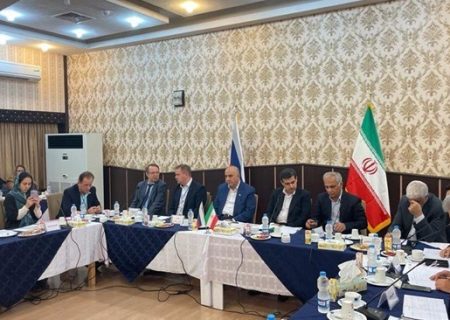
Iran, Russia private sectors discuss completion of North-South Corridor
During a meeting between a Russian delegation to Iranian northern city of Rasht and Iranian businesspersons in the city, the two sides explored ways for expansion of cooperation with the focus on the completion of a strategically important International North-South Transit Corridor.
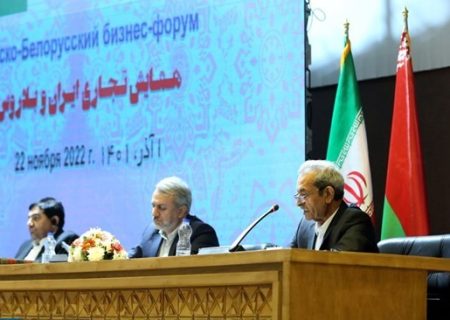
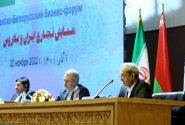
Iran private sector calls for forming a joint working group with Belarus for removing trade obstacles
President of Iran Chamber of Commerce, Industries, Mines, and Agriculture (ICCIMA) has urged the need for forming a joint working group with Belarus for identifying and removing trade obstacles.
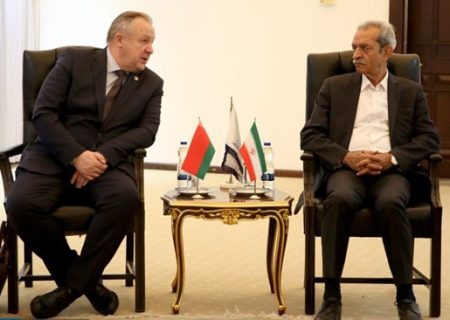
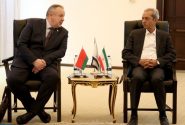
Iran Chamber of Commerce president urges need to resolve transit problems with Belarus
President of Iran Chamber of Commerce, Industries, Mines, and Agriculture has highlighted the need for Iran and Belarus to solve transit problems and facilitate issuing banking guarantees as a prerequisite for promotion of trade between the two countries.
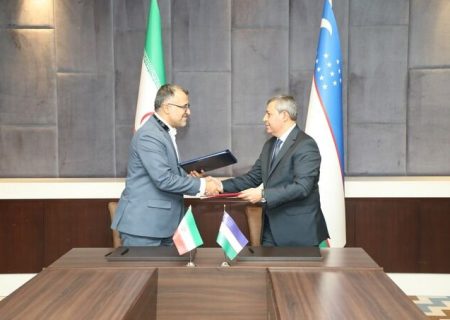
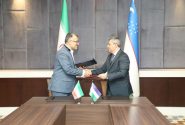
Iran and Uzbekistan sign anti- money laundering MoU
The MoU was signed on Friday in Tajikistan’s capital of Dushanbe on the sidelines of a meeting of the Eurasian Group on Combating Money Laundering and Financing of Terrorism (EAG).
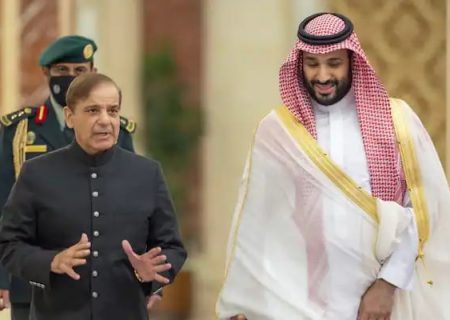
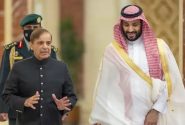
Pakistan Secures $8 Billion Saudi “Package” During Shehbaz Sharif Visit
The $8 billion package for Pakistan includes a doubling of the oil financing facility, additional money either through deposits or Sukuks, and rolling over of the existing $4.2 billion facilities, reported The News International.
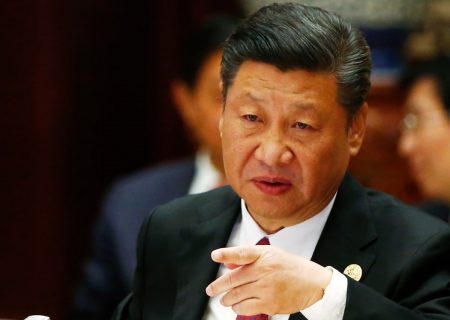
Xi Warms Up China’s Economy, But Virus Narrows Options
President Xi Jinping has offered state backing for tech, infrastructure and jobs to revive China's economy, but analysts warn growth will continue to wilt until Beijing drops its rigid virus controls.

Iran and Eurasian Economic Union Negotiations: Upgrading EAEU-Iran Preferential Trade Agreement into a Free Trade Agreement
The Treaty on the Eurasian Economic Union (EAEU) was signed on 29 May 2014 by the leaders of Belarus, Kazakhstan, and Russia, and came into force on 1 January 2015. Treaties for Armenia's and Kyrgyzstan's accession to the EAEU were signed on 9 October and 23 December 2014, respectively.