News
 Verses Against Tyranny: Faiz, Habib Jalib, and the Poetic Architecture of Protest and Peace
The 77th National Day of the People’s Republic of China and Beijing’s Developmental Trajectory Through 2026
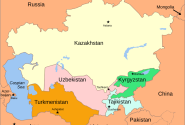
The Forgotten Battlefield of 9/11: How the War on Terror Reshaped Central Asia
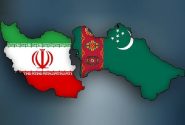
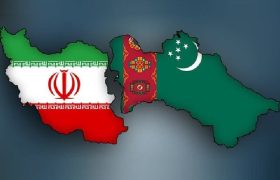
Iran and Turkmenistan: From Stable Neighborliness to Geoeconomic Partnership
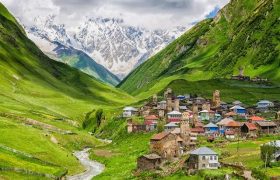
Georgia and the Mackinder Trap: Geographical Significance and the Limits of Strategic Autonomy
Politics

The 77th National Day of the People’s Republic of China and Beijing’s Developmental Trajectory Through 2026
Once politically isolated, commercially estranged, and locked in confrontation with global powers—most notably the United States—Beijing transformed its posture vis-à-vis Washington through diplomatic statecraft and resource management into that of a "Responsible Stakeholder."

From the “Clandestine Network” to Allegations of a “Soviet Coup”: A Documented Critique of Ben Macintyre’s Narrative on Kuzichkin and the Tudeh Party
This critique seeks neither to deny the structural ties between the Tudeh Party, the Soviet Union, and the KGB, nor to dispute the existence of the party's clandestine apparatus and military wing, Vladimir Kuzichkin’s defection, or the 1982–1983 state crackdown on the Tudeh Party.
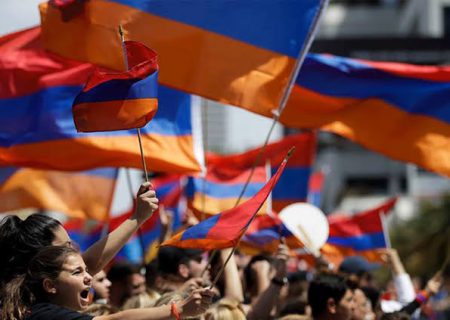
Armenian Foreign Policy Thirty-Five Years After Independence: Russia, the West, and Iran’s Place in Yerevan’s Emerging Strategy
The contemporary recalibration of Armenian foreign policy reflects an incremental departure from Russia-centric complementarism toward a model of bounded strategic hedging. Rather than seeking an outright substitution of Russia with the West, this policy aims to broaden Yerevan’s external options, diminish security dependence on a single patron, and enhance the state's diplomatic maneuverability within an increasingly volatile and multipolar regional environment.

The Iran War and the New Power of Diplomatic Access
The Iran war shows why the ability to preserve and activate diplomatic relationships is becoming a strategic asset in an increasingly current turbulent world.
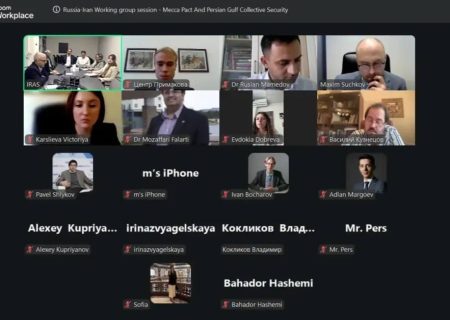
The Meeting on “The Mecca Pact and Collective Security in the Persian Gulf” Was Held
Report on the Iran–Russia Think Tank Meeting: “The Mecca Pact and Collective Security in the Persian Gulf”

The Leipzig/Halle Drone Crisis and the Entry of German–Russian Relations into a New Phase
The official attribution of the Leipzig/Halle drone attack to Russia, however, did not merely intensify tensions between Berlin and Moscow; it rapidly acquired a European dimension
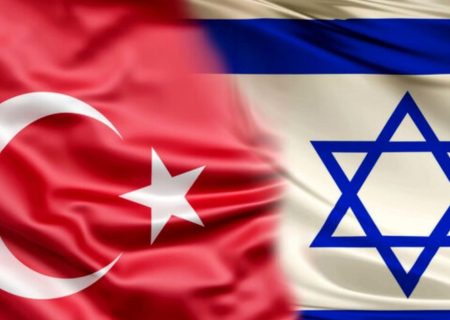
Syria: From Managing Influence to Managing Clashes (An Analysis of the August 2026 Developments in Light of the Ankara–Tel Aviv Rivalry)
Syria’s strategic significance is not identical for Turkey and Israel, yet the interests of both sides increasingly intersect across a growing number of fronts.
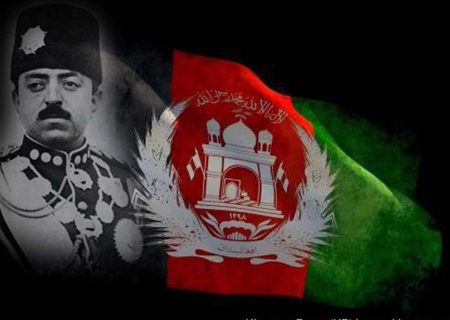
From Buffer State to Sovereign State: A Theoretical Analysis of Afghanistan’s Independence
? What factors shaped Afghanistan’s attainment of independence in August 1919
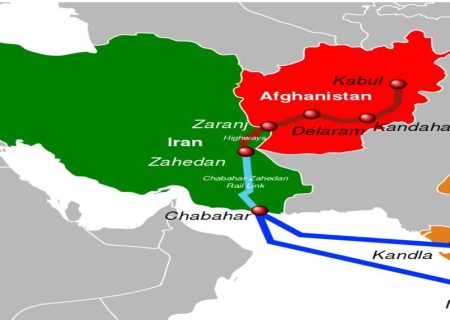
?From Chabahar to INSTC: Is India Quietly Building a Eurasian Strategy Through Iran
the INSTC and IMEC suggest that India is investing in strategic optionality rather than a single transport corridor

The 77th National Day of the People’s Republic of China and Beijing’s Developmental Trajectory Through 2026