News
 Verses Against Tyranny: Faiz, Habib Jalib, and the Poetic Architecture of Protest and Peace
The 77th National Day of the People’s Republic of China and Beijing’s Developmental Trajectory Through 2026
The Forgotten Battlefield of 9/11: How the War on Terror Reshaped Central Asia
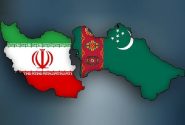
Iran and Turkmenistan: From Stable Neighborliness to Geoeconomic Partnership
Georgia and the Mackinder Trap: Geographical Significance and the Limits of Strategic Autonomy
Culture
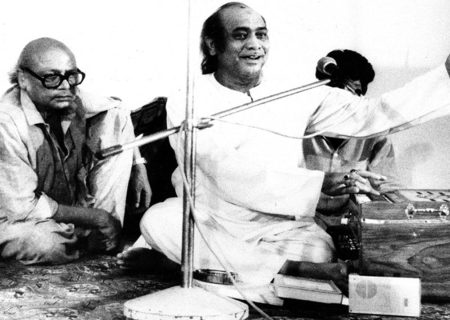
Verses Against Tyranny: Faiz, Habib Jalib, and the Poetic Architecture of Protest and Peace
Mohammad Taha Ali, research intern at center for migrant studies University of British Columbia Abstract This paper investigates the literary and political legacy of two of South Asia’s most recognizable Urdu poets, Faiz Ahmad Faiz and Habib Jalib, as the architects of a language of resistance that is anchored in the principles of justice, peace, […]
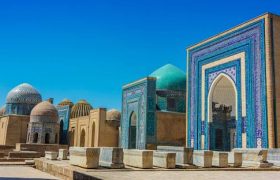
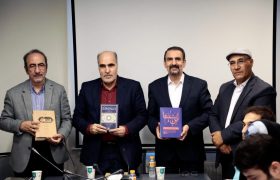

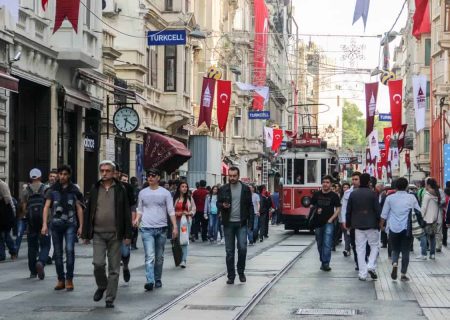
The Historical Evolution of Tourism in Modern Turkey: From the Pre-Planned Period to the Planned Period
Eric Zuelow states in his book that, democratic states, like fascist and communist ones, showed interest in tourism and leisure, though with differing approaches in interwar period. Historian Gary Cross emphasized that the paid holiday, evolving into a cherished entitlement in Europe post-war, fulfilled a deeply felt social need. Similar to totalitarian countries,...
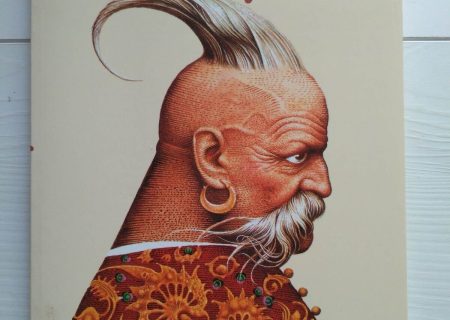
Rereading Nikolai Gogol’s Taras Bulba at the Time of the Ukraine War and its Impacts on Russian People
Although Taras Bulba has been recognized as the symbol of Russian patriotism, this novel contains levels of meaning beyond the mere praise of Russian ethnicity. Otherwise, it would be an unknown story rather than a classic in world literature.
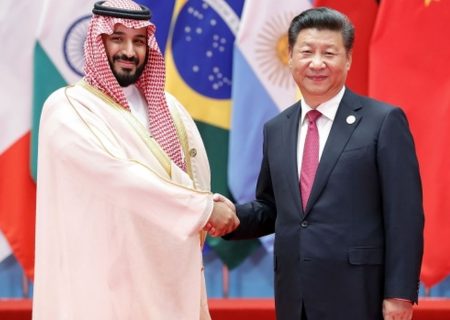
Strategic factors behind China’s (US rival) tendency towards the Persian Gulf region
Strategic Council Online—Opinion: In the recent visit of the President of China to Saudi Arabia and the unacceptable association of this country with the anti-Iranian statements of the Saudi authorities and also the members of the Persian Gulf Cooperation Council, while provoking public anger in Iran, has raised various ideas and analyses surrounding why this happened and the reasons for China’s closeness to the Arab countries of the Persian Gulf; But in this news-analytical frenzy, what has been neglected or at least less addressed is the examination and analysis of the variables and factors that caused China to be attracted to the Persian Gulf region as a competing power of the United States and its eagerness to enter into strategic agreements with various countries in this region. Mohammad Mehdi Mazaheri—University professor


The 77th National Day of the People’s Republic of China and Beijing’s Developmental Trajectory Through 2026