News
 After the Vote: What Russia’s 2026 State Duma Election Changed—and What It Did Not
Verses Against Tyranny: Faiz, Habib Jalib, and the Poetic Architecture of Protest and Peace
The 77th National Day of the People’s Republic of China and Beijing’s Developmental Trajectory Through 2026
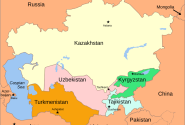
The Forgotten Battlefield of 9/11: How the War on Terror Reshaped Central Asia
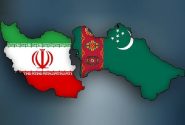
Iran and Turkmenistan: From Stable Neighborliness to Geoeconomic Partnership
Economy
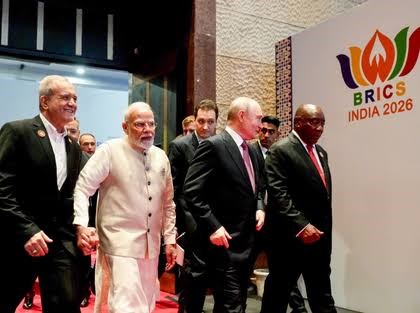
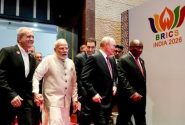
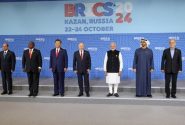
India and the New BRICS Architecture in 2026: Multi-Alignment Diplomacy, Sustainable Development, and Iran’s Strategic Opportunities
A Field-Based Analytical Account from Dual Strategic and Environmental Perspectives


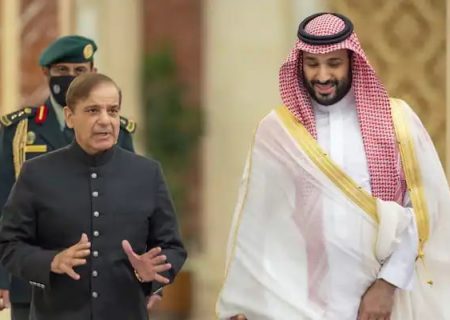
Pakistan Secures $8 Billion Saudi “Package” During Shehbaz Sharif Visit
The $8 billion package for Pakistan includes a doubling of the oil financing facility, additional money either through deposits or Sukuks, and rolling over of the existing $4.2 billion facilities, reported The News International.
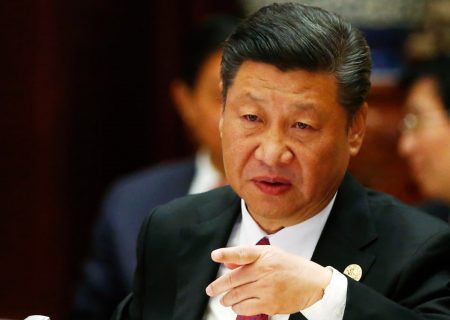
Xi Warms Up China’s Economy, But Virus Narrows Options
President Xi Jinping has offered state backing for tech, infrastructure and jobs to revive China's economy, but analysts warn growth will continue to wilt until Beijing drops its rigid virus controls.

Iran and Eurasian Economic Union Negotiations: Upgrading EAEU-Iran Preferential Trade Agreement into a Free Trade Agreement
The Treaty on the Eurasian Economic Union (EAEU) was signed on 29 May 2014 by the leaders of Belarus, Kazakhstan, and Russia, and came into force on 1 January 2015. Treaties for Armenia's and Kyrgyzstan's accession to the EAEU were signed on 9 October and 23 December 2014, respectively.

EUROPE’S STRATEGIC NEED FOR DIVERSIFICATION OF GAS SUPPLY RESOURCES, ONWARD OPTIONS
Opinion: In the contemporary world, many and serious changes are taking place in the players and effective variables, resources and control methods in the field of international politics; but for the Europeans, limited access to diverse energy resources, as well as problems with safe and cheap access to resources such as gas, especially after it became clear that the tool could be used as a political lever, has made energy resources and their transfer lines into a very important and vital factor in the field of international politics and international security. In this regard, recent developments in oil and gas exporting countries have increased the importance of the issue. Mehdi Khorsand – Expert on Eurasia affairs

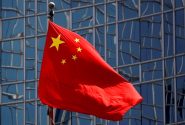
The 77th National Day of the People’s Republic of China and Beijing’s Developmental Trajectory Through 2026