News
 Verses Against Tyranny: Faiz, Habib Jalib, and the Poetic Architecture of Protest and Peace
The 77th National Day of the People’s Republic of China and Beijing’s Developmental Trajectory Through 2026
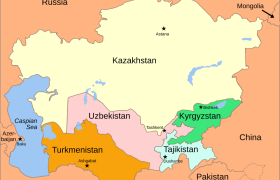
The Forgotten Battlefield of 9/11: How the War on Terror Reshaped Central Asia
Iran and Turkmenistan: From Stable Neighborliness to Geoeconomic Partnership
Georgia and the Mackinder Trap: Geographical Significance and the Limits of Strategic Autonomy
Verses Against Tyranny: Faiz, Habib Jalib, and the Poetic Architecture of Protest and Peace
The 77th National Day of the People’s Republic of China and Beijing’s Developmental Trajectory Through 2026
The Forgotten Battlefield of 9/11: How the War on Terror Reshaped Central Asia
Iran and Turkmenistan: From Stable Neighborliness to Geoeconomic Partnership
Georgia and the Mackinder Trap: Geographical Significance and the Limits of Strategic Autonomy
Research Study Groups
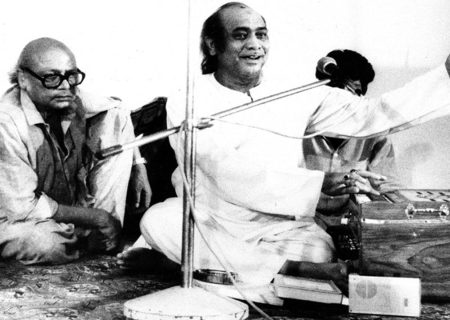
Verses Against Tyranny: Faiz, Habib Jalib, and the Poetic Architecture of Protest and Peace
Mohammad Taha Ali, research intern at center for migrant studies University of British Columbia Abstract This paper investigates the literary and political legacy of two of South Asia’s most recognizable Urdu poets, Faiz Ahmad Faiz and Habib Jalib, as the architects of a language of resistance that is anchored in the principles of justice, peace, […]
Georgia and the Mackinder Trap: Geographical Significance and the Limits of Strategic Autonomy
Economic growth figures do not indicate how resilient Georgia’s economy would prove in the face of a widespread disruption in trade, external financing, or national security.
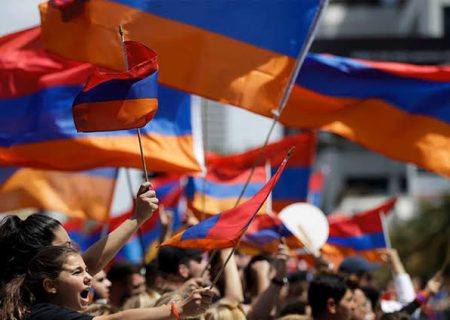
Armenian Foreign Policy Thirty-Five Years After Independence: Russia, the West, and Iran’s Place in Yerevan’s Emerging Strategy
The contemporary recalibration of Armenian foreign policy reflects an incremental departure from Russia-centric complementarism toward a model of bounded strategic hedging. Rather than seeking an outright substitution of Russia with the West, this policy aims to broaden Yerevan’s external options, diminish security dependence on a single patron, and enhance the state's diplomatic maneuverability within an increasingly volatile and multipolar regional environment.
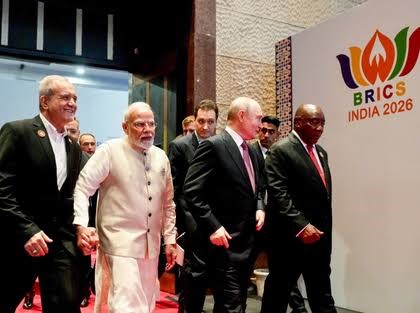
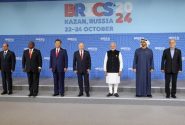
India and the New BRICS Architecture in 2026: Multi-Alignment Diplomacy, Sustainable Development, and Iran’s Strategic Opportunities
A Field-Based Analytical Account from Dual Strategic and Environmental Perspectives
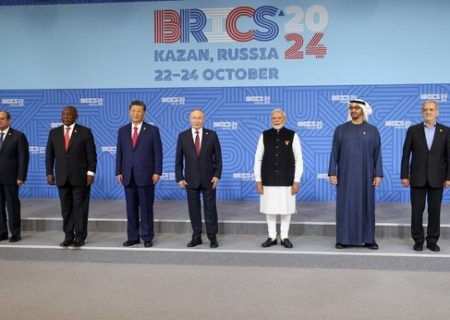
The 18th BRICS Summit: China’s Objectives and Opportunities Ahead for Iran
BRICS expansion represents both an opportunity and a challenge for China: while an enlarged membership enhances the bloc’s representative legitimacy, it simultaneously complicates consensus-building and agenda steering.

Europe and the BRICS Summit in New Delhi: Between Geopolitical Divergence and the Need for Dialogue with the Global South
Iran’s membership has made the group more prominent in West Asia and in debates over energy, sanctions, and maritime security, but it has not produced a unified political position
Call for Membership in IRAS Study Groups
The Institute for Iran-Eurasia Studies (IRAS), in line with expanding its scientific and research activities and its collaborative network with interested researchers and students, invites qualified individuals to join its study groups
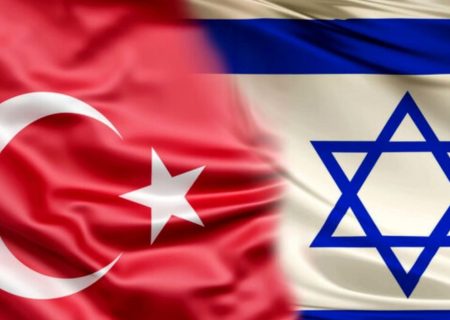
Syria: From Managing Influence to Managing Clashes (An Analysis of the August 2026 Developments in Light of the Ankara–Tel Aviv Rivalry)
Syria’s strategic significance is not identical for Turkey and Israel, yet the interests of both sides increasingly intersect across a growing number of fronts.

The 77th National Day of the People’s Republic of China and Beijing’s Developmental Trajectory Through 2026