News
 Verses Against Tyranny: Faiz, Habib Jalib, and the Poetic Architecture of Protest and Peace
The 77th National Day of the People’s Republic of China and Beijing’s Developmental Trajectory Through 2026
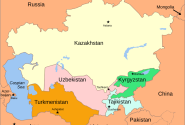
The Forgotten Battlefield of 9/11: How the War on Terror Reshaped Central Asia
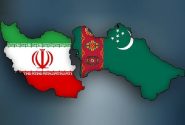
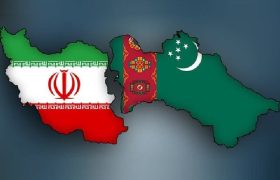
Iran and Turkmenistan: From Stable Neighborliness to Geoeconomic Partnership
Georgia and the Mackinder Trap: Geographical Significance and the Limits of Strategic Autonomy
Politics

The 77th National Day of the People’s Republic of China and Beijing’s Developmental Trajectory Through 2026
Once politically isolated, commercially estranged, and locked in confrontation with global powers—most notably the United States—Beijing transformed its posture vis-à-vis Washington through diplomatic statecraft and resource management into that of a "Responsible Stakeholder."

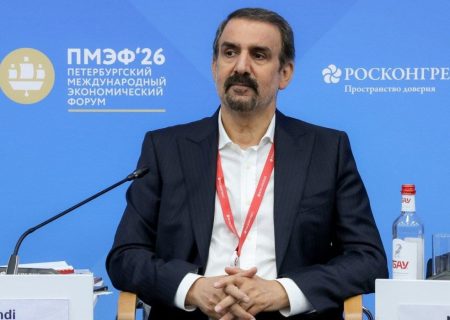
Dr. Mehdi Sanaei Addresses the St. Petersburg International Economic Forum: The 3+3 Format and the Future of Regional Cooperation in the South Caucasus
Dr. Mehdi Sanaei’s Address at the St. Petersburg International Economic Forum “The 3+3 Format on the South Caucasus: Common Challenges and Strategic Partnership” Session – June 2026

The United Nations at a Crossroads: Legitimacy and Power in an Emerging Multipolar Order
UN reform has long been debated but is now urgent amid the erosion of collective security


Bagram Airfield: Central Asian Security Dynamics and Great Power Rivalry
Recapturing Bagram for Washington would serve not merely as a territorial achievement, but as a signal of the return of capacity demonstrating influence in Asia—a message sent to rivals such as China and Russia, as well as to regional neighbors Pakistan and Iran. Image Credits: Reuters

The European Snapback Mechanism Against Iran and the US-Israeli Acts of Aggression: An Analysis Under International Law and Norms
The E3's decision to trigger the snapback mechanism raises profound legal questions under international law and the specific provisions of UNSCR 2231.

Russo–Indian 2030 Trade Vision: Patterns of a Time-tested “Partnership”
This being said, the extensive diplomatic efforts of India and Russia were ultimately successful

Russia–Ukraine crisis shows no sign of ending soon
Trump pursues personal motives in Ukraine conflict

The 77th National Day of the People’s Republic of China and Beijing’s Developmental Trajectory Through 2026