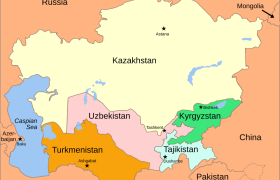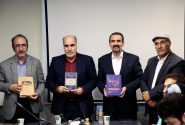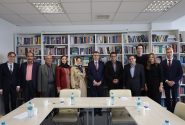
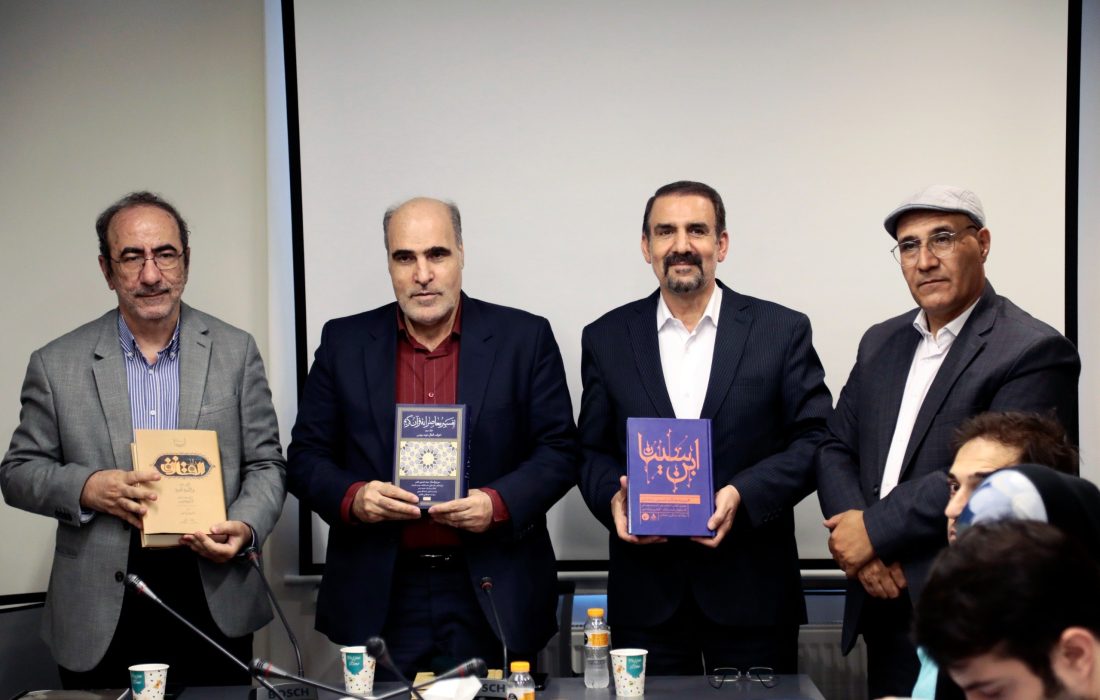
The international symposium “Avicenna’s Teachings in Today’s World” was convened through a joint initiative by the Institute for Iran-Eurasia Studies (IRAS), the Book City Cultural Center, and the Avicenna Foundation, drawing together prominent figures from the academic, cultural, and diplomatic arenas. Held to mark National Avicenna Day (1st of Shahrivar) and Iranian Doctors’ Day, the symposium was designed to explore the multifaceted intellectual, philosophical, medical, and historical dimensions of Abu-Ali Sina (Avicenna), examine his enduring resonance across the cultural continuum of Iran and Eurasia, and critically assess the state of contemporary Avicennian scholarship. The bilingual proceedings—conducted in Persian and Russian—brought together distinguished scholars and experts from Iran, Russia, Kazakhstan, Uzbekistan, and Georgia.
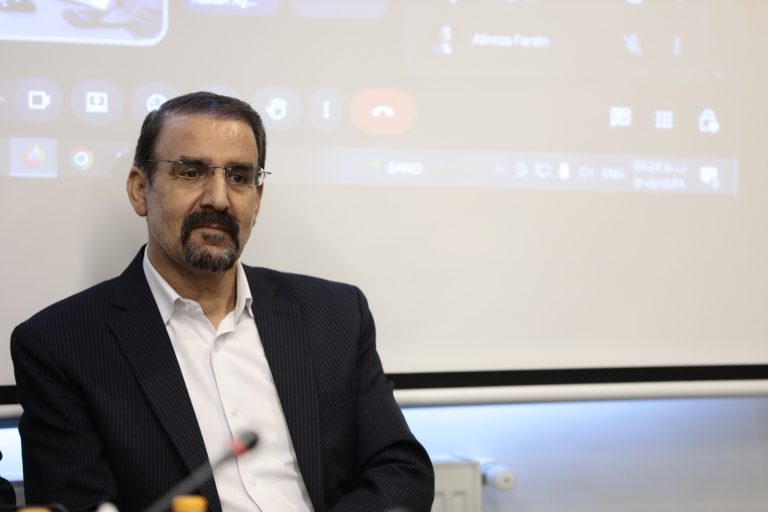
Opening the symposium, Dr. Mehdi Sanaei, President of IRAS, welcomed attendees and commemorated Avicenna Week by setting forth three key thematic pillars regarding the polymath’s enduring legacy. The first centered on the historical and civilizational bonds linking Iran and Eurasia. Tracing Avicenna’s life from his birthplace in Bukhara to his final resting place in Hamadan, Sanaei underscored that the philosopher belongs to a shared civilizational expanse transcending modern political borders—a cultural continuity mirrored in the verses of classical poets such as Rudaki. In this context, he highlighted Hamadan and Bukhara as foundational anchors within the shared cultural geography of Avicenna’s heritage. The second pillar addressed Avicenna’s rigorous rationalism. Sanaei characterized him as the preeminent rationalist philosopher of the Islamic world and Iranian civilization, whose intellectual edifice was built upon deductive reasoning and strict causal order, expressing hope that the contemporary world might rekindle the commitment to rationality championed by Avicenna. The third pillar examined the profound symbolism in the titles of his two magnum opuses: The Canon of Medicine (Al-Qanun) and The Book of Healing (Al-Shifa, on philosophy and metaphysics). According to Sanaei, this deliberate dichotomy reflects Avicenna’s rigorous, law-bound approach to somatic medicine alongside his spiritual and philosophical conviction that metaphysics serves as true healing for the soul.
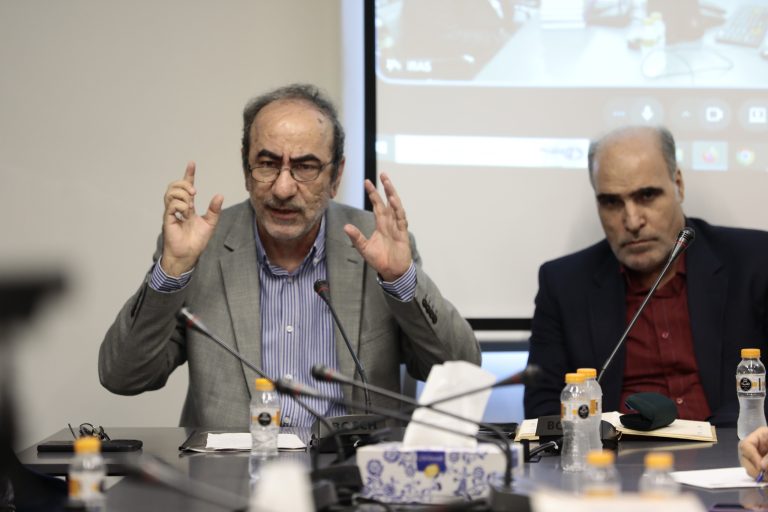
Following these remarks, Mr. Ali Asghar Mohammadkhani, Vice President for International Affairs at Book City, raised fundamental questions regarding how societies commemorate cultural icons. Recalling the 1998 commemoration of Shahab al-Din Suhrawardi—where passersby along Tehran’s Suhrawardi Avenue were largely unfamiliar with the master’s philosophical legacy—he stressed that the vitality of such commemorative occasions relies on proactive, sustained intellectual patronage. Mohammadkhani then presented recent publishing metrics on Avicenna’s works in Iran, noting that within a single year, approximately 70 print editions totaling 34,000 copies were released, with 25 titles devoted specifically to The Canon of Medicine. Comparing Avicenna’s global recognition to that of Omar Khayyam, he pointed to a conspicuous disparity between Avicenna’s towering worldwide stature and the limited scale of dedicated institutional programming, highlighting the 43 collaborative scholarly sessions organized with the Avicenna Foundation as a step toward rectifying this imbalance. He also drew attention to the notable deficit of quality literature on Avicenna aimed at young audiences, commending the contributions of Iranian authors such as Abdollahian, Fattahi, and Tavakoli Saberi while drawing comparisons with Egyptian scholar Youssef Ziedan. Concluding his remarks, Mohammadkhani referenced the success of the “Iranian Literary Bridge” initiative and proposed establishing international “philosophical bridges” between Avicenna and thinkers across global traditions, calling for targeted scholarship to address the critical research gap in the philosophy of medicine.
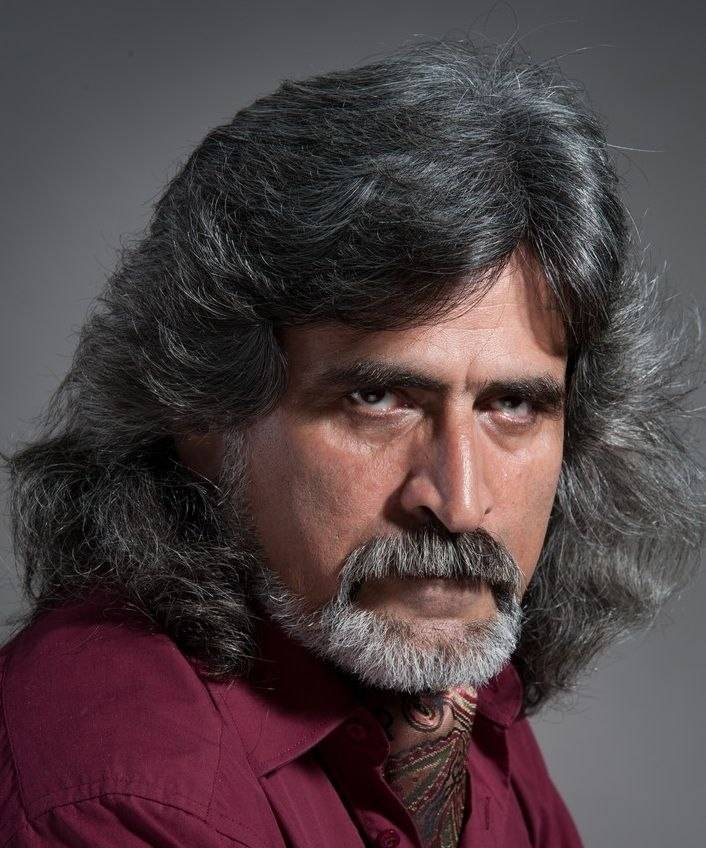
Next, Farhad Gulyamov, a Samarkand-born Uzbek author and journalist based in Russia, offered insights into Avicenna’s living heritage across Uzbekistan. Gulyamov observed that across Uzbek academic institutions—including universities in Samarkand, Tashkent, Bukhara, Fergana, and Andijan—Avicenna’s millennium-long contributions remain an active subject of symposia, academic dissertations, and applied research anchored in The Canon and The Book of Healing. He placed particular emphasis on Avicenna’s pioneering legacy in pharmacology, noting that the Tashkent Pharmaceutical Institute and Uzbekistan’s Ministry of Health continue to reference Avicennian pharmacopeial principles as scientifically authoritative and historically foundational. According to Gulyamov, Avicenna’s seminal contributions to medicine and pharmacotherapy ensure that his texts and conceptual frameworks remain indispensable references for modern scientific inquiry.
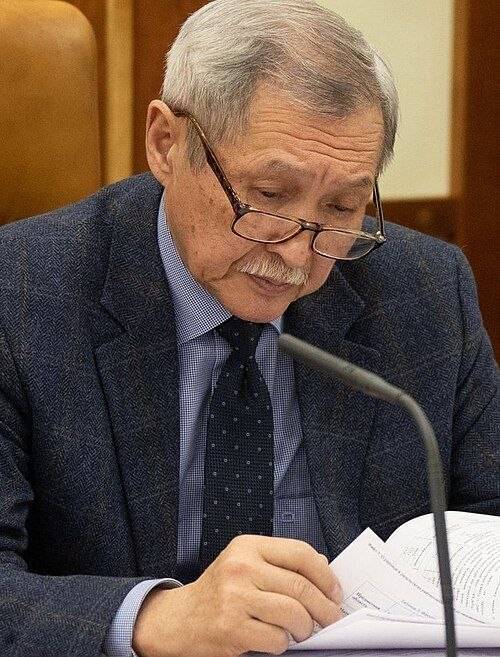
Professor Nur Kirabayev, a distinguished Kazakh-Russian scholar of Islamic philosophy and Arab studies, followed with his keynote address. Born in Almaty in 1951, Kirabayev completed his doctoral thesis on “The Problem of Man in the Doctrine of al-Ghazali” and has held notable leadership posts, including Dean of the Faculty of Philosophy at RUDN University and Director of the International Center for the Study of Eastern Philosophy and Culture. In his remarks, Kirabayev pointed out that even in specialized analyses of Ghazali, the profound imprint of Avicennian metaphysics remains unmistakable. He also honored the scholarly contributions of the late Dr. Tawfik Ibrahim in translating Avicenna’s Ilahiyyat (Metaphysics). Kirabayev argued that while European philosophical evolution often swung between the antithetical poles of ecclesiastical dogmatism and radical secular reductionism, Avicennian philosophy offers a harmonious synthesis that unites strict monotheism (Tawhid), material reality, and a systematic scientific cosmology. He stressed that Avicenna perceived no conflict between reason and spirituality, positing that rigorous intellectual inquiry paired with virtuous action constitutes the true pathway to human elevation. Finally, he warned against the cultural distortions stemming from the historical Latinization of “Abu Ali Sina” into “Avicenna,” emphasizing that such linguistic estrangement risks divorcing the philosopher from his organic Islamic-Iranian civilizational context.
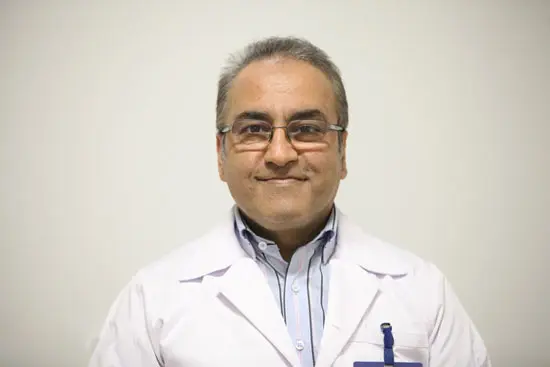
In a recorded address, Dr. Hassan Aghajani, Professor of Cardiology and Head of the Cardiology Department at Tehran University of Medical Sciences, expressed his gratitude to the organizers—including IRAS, Dr. Sanaei, and Dr. Khalaj-Monfared—and opened his remarks with a reflective quatrain attributed to Avicenna:
Though my heart raced across this desert wide,
It split each hair, yet found no path or guide;
A thousand suns blazed brightly in my soul,
Yet of the atom’s truth, none grasped the whole.
Dr. Aghajani framed his intervention around how Avicenna might assess modern medicine, science, and clinical philosophy. He noted that the titles The Canon for medicine and The Book of Healing for philosophy carry profound clinical significance: medicine, in Avicenna’s paradigm, is an objective discipline diagnosing and treating pathology through the systematic laws of anatomy and physiology. Yet, Dr. Aghajani emphasized, Avicenna never reduced the patient to a mere biological dysfunction. Instead, he approached the individual holistically—acknowledging their emotions, anxieties, and inner hopes—a patient-centered philosophy that provides a transformative blueprint for contemporary clinical medicine.
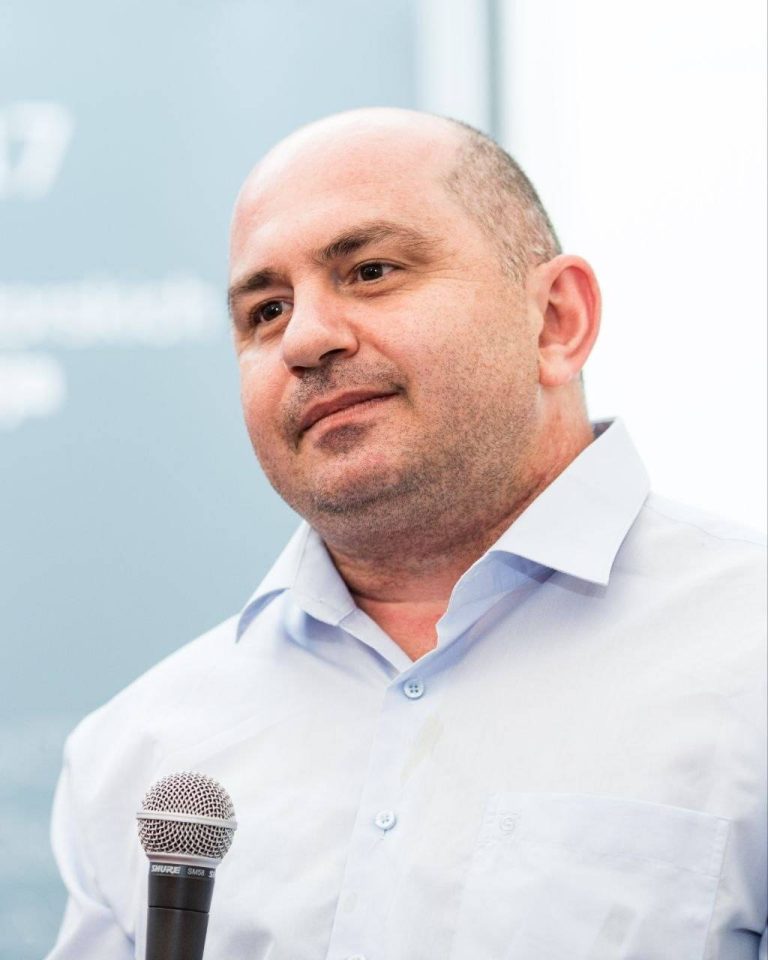
Professor Giorgi Lobzhanidze, Professor of Arabic Language and Literature at Tbilisi State University in Georgia, followed with an address titled “Professor Aleksandre Gvakhariya’s Translation of Avicenna’s Quatrains as a Literary Masterpiece in Georgia.” Lobzhanidze observed that while Georgian translations of major works like The Canon and The Book of Healing remain scarce, Aleksandre Gvakhariya’s poetic renditions of quatrains attributed to Avicenna stand as a crowning achievement in Georgian translation literature. To illustrate, he recited the following quatrain:
With these few fools whose ignorance runs deep,
Who deem themselves the world’s most wise and deep,
Play the beast! For in their blind conceit and sway,
Whoever is not a beast, an infidel they say!
Lobzhanidze—whose distinguished translation oeuvre includes the Holy Quran, Saadi’s Golestan, and Rumi’s Masnavi, garnering prestigious literary awards in both Iran and Georgia—reaffirmed the vital need for deepening sustained academic and cultural bridges between Iranian and Georgian scholarly institutions.
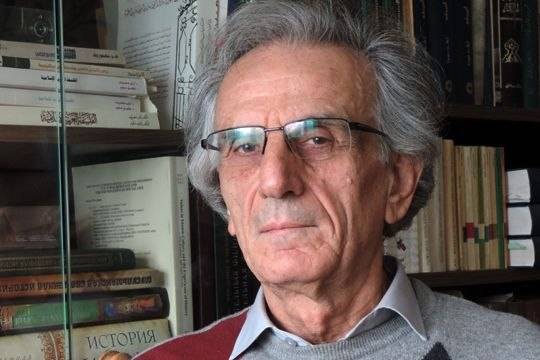
Next, Dr. Tawfik Ibrahim, a Syrian-born philosopher based in Russia, explored Avicenna’s significance within the contemporary philosophy of religion. Distinguishing philosophy of religion from classical kalam (scholastic theology), he outlined how modern philosophy of religion transitioned from the critical, skeptical posture pioneered by figures like David Hume toward a constructive philosophical theology. Ibrahim emphasized Avicenna’s uncompromising commitment to demonstrative proof (burhan), arguing that, unlike traditional scholastic theologians, Avicenna meticulously guarded the boundary between rational demonstration and theological fideism. He went on to elucidate Avicenna’s innovative formulation of the God–world dynamic through the ontological categories of the “Necessary Being” (Wajib al-Wujud) and “Contingent Being” (Mumkin al-Wujud), juxtaposing the famous Avicennian “Proof of the Truthful” (Burhan al-Siddiqin) with a posteriori cosmological proofs and modern analytic approaches to theism. In closing, Ibrahim asserted that a critical, modern rereading of Avicenna is far from a mere commemorative exercise; it is an epistemological necessity for addressing contemporary existential disorientation and resolving perennial questions among younger generations regarding the nexus between science and faith.
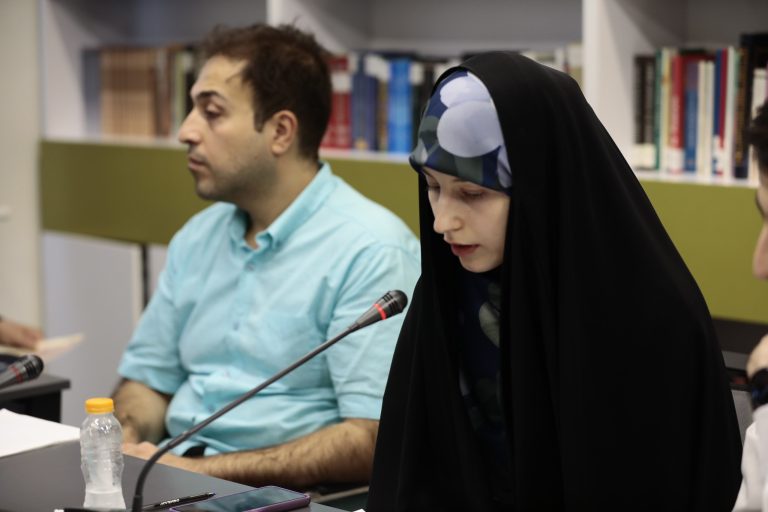
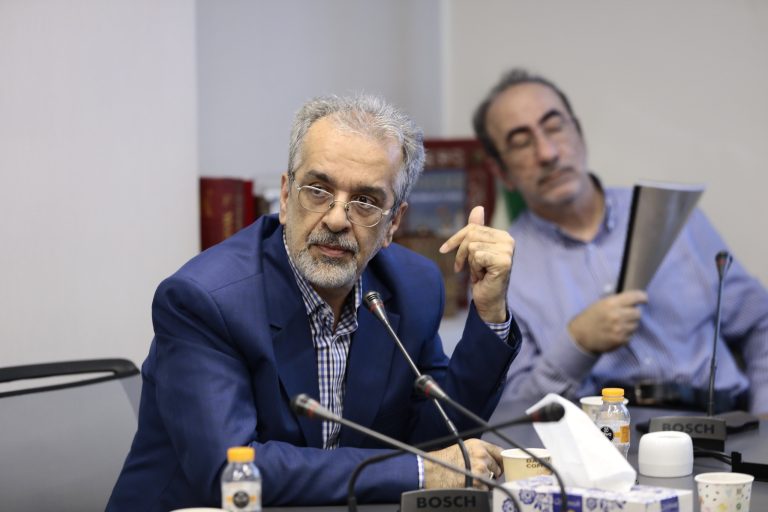
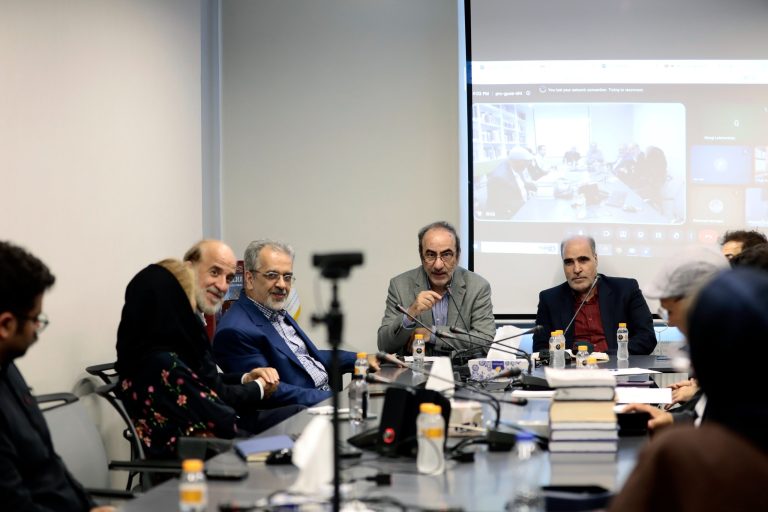
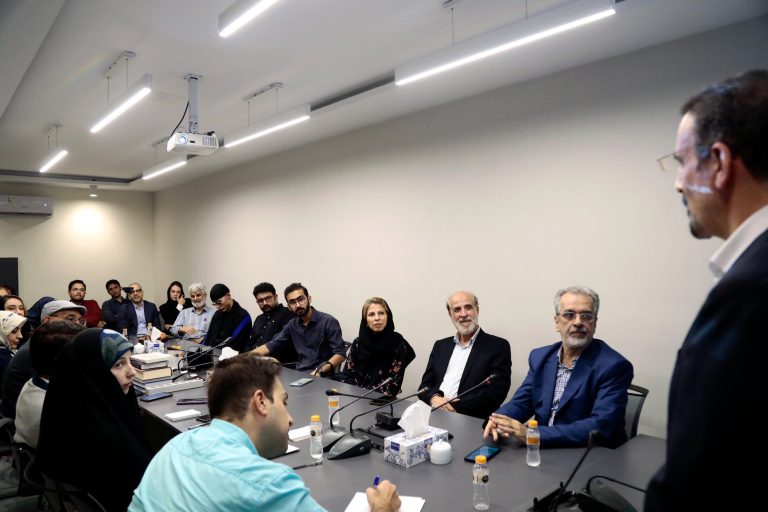
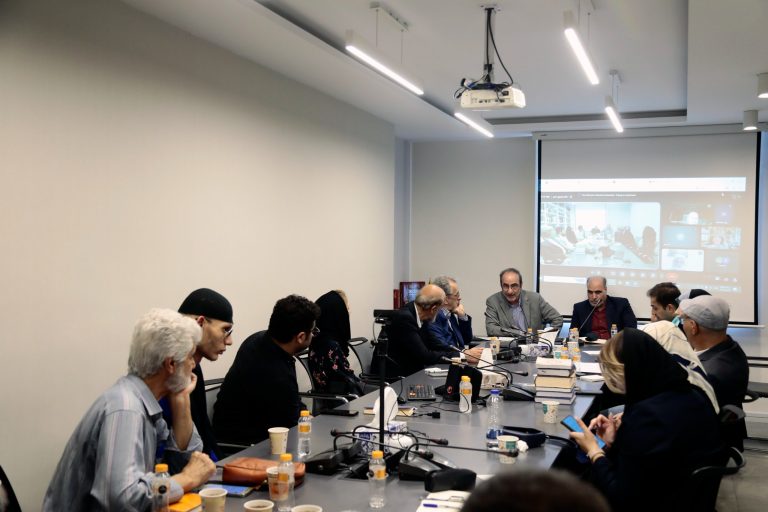
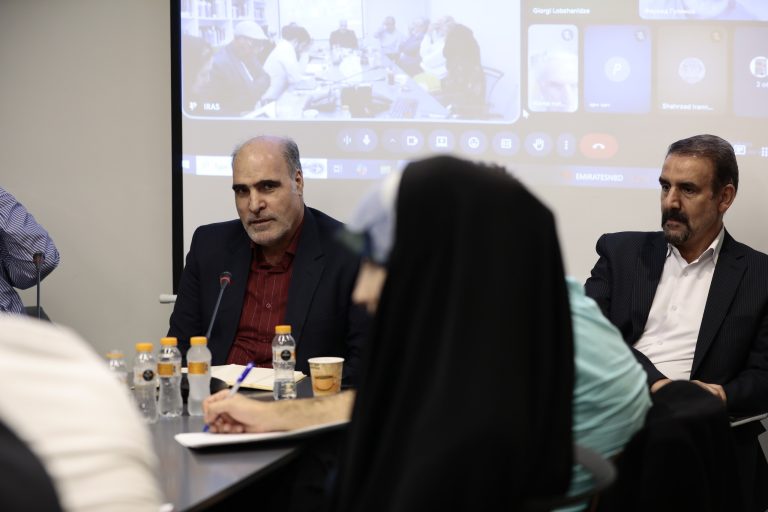
In sum, by convening scholars and specialists from across Iran and the broader Eurasian landscape, the symposium delivered a rich, multidimensional appraisal of Avicenna’s living legacy. The proceedings underscored that Avicenna’s intellectual footprint extends well beyond the historiography of medicine and philosophy, offering fertile ground for contemporary inquiry across the philosophy of religion, clinical ethics, pharmacology, comparative literature, and inter-civilizational dialogue. The participants’ shared emphasis on the deep civilizational ties linking Iran with Greater Eurasia reaffirmed the critical imperative of sustaining such international intellectual forums to translate classical philosophical heritage into dynamic, policy-relevant academic discourse.
Mina Otadi, PhD Student in Russian Studies