News
 After the Vote: What Russia’s 2026 State Duma Election Changed—and What It Did Not
Verses Against Tyranny: Faiz, Habib Jalib, and the Poetic Architecture of Protest and Peace
The 77th National Day of the People’s Republic of China and Beijing’s Developmental Trajectory Through 2026
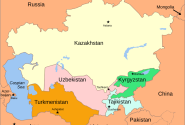
The Forgotten Battlefield of 9/11: How the War on Terror Reshaped Central Asia
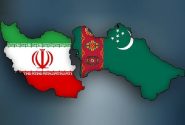
Iran and Turkmenistan: From Stable Neighborliness to Geoeconomic Partnership
Russia
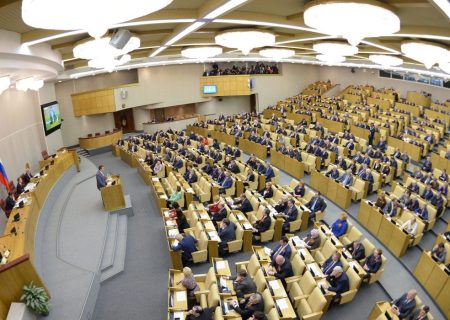
After the Vote: What Russia’s 2026 State Duma Election Changed—and What It Did Not
Russia’s 2026 State Duma election delivered an expected victory with consequences that were less predictable. Higher turnout, a record United Russia majority and substantial parliamentary renewal reveal how the Russian political system is adapting—and consolidating—under wartime pressure.

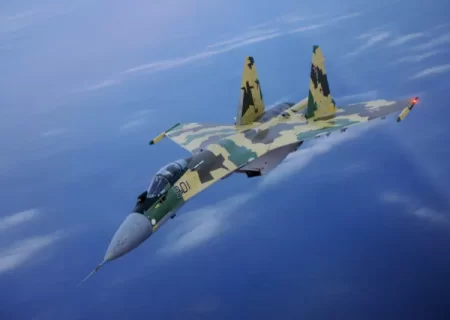
Iran’s Purchase of Russian Fighter Jets Underlines Shifting Regional Geopolitics
The news of Iran’s planned purchase of Russian Sukhoi Su-35 advanced fighter jets is the latest sign of deepening relations between Tehran and Moscow.
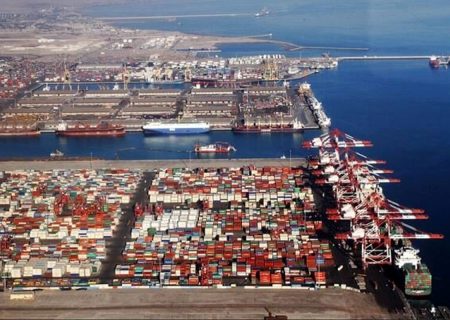
Expanding Maritime Trade Between Iran and Russia in the Caspian Sea: Capacities and Challenges
During the past year, very important and positive developments have taken place in the cooperation between the two countries in the Caspian Sea, which needs to be strengthened and developed.
Rereading Nikolai Gogol’s Taras Bulba at the Time of the Ukraine War and its Impacts on Russian People
Although Taras Bulba has been recognized as the symbol of Russian patriotism, this novel contains levels of meaning beyond the mere praise of Russian ethnicity. Otherwise, it would be an unknown story rather than a classic in world literature.
Ukraine War and Putin’s Legacy
Ukraine War is reaching its anniversary. The longevity of this war would not only have a considerable impact on Russian current affairs, but also can erode Putin’s efforts for defining the post-soviet Russia. Ukraine war will diminish Putin’s legacy as a great figure in Russian history.
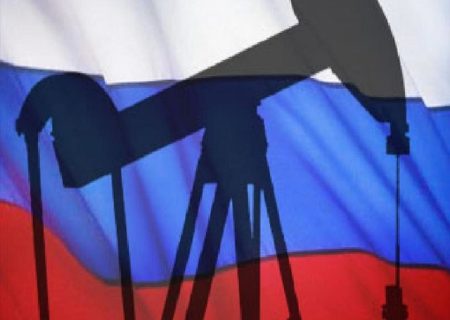
The ineffectiveness of setting the oil price ceiling for Russia to surrender
Strategic Council Online-Opinion: Recently, the Group of Seven, including seven countries with advanced economies, decided to set the price ceiling of Russian crude oil at 60 dollars per barrel in order to hit the main source of Moscow’s income at the same time as the country’s war against Ukraine is prolonged. The European Union also supported the Russian oil price cap and the US government welcomed it. Pouria Nabipour – PhD in Political Science and International Relations

OGAS & The Fate of the Soviet Internet; A Great Story of Communication History During the Cold War (Part I)
Amidst the turbulent and strained relations between the United States and the Soviet Union in the early 1960s, when Khrushchev was heavily criticized, and the Bay of Pigs invasion and Cuban Missile Crisis set the stage for a nuclear war, a small group of cybernetics living in Moscow and Kyiv were designing "electronic socialism" known as OGAS.
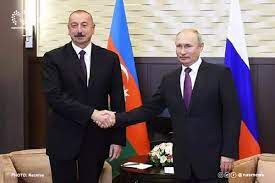
Motives and consequences of gas agreement between Russia and the Republic of Azerbaijan
Strategic Council Online—Interview: An expert on Russian issues, stating that one of Europe’s measures to reduce the costs and political and economic consequences of its decisions is the indirect import of energy from Russia, said that a behind-the-scenes agreement between Russia and the West in this regard is not unlikely.

UK promises more military aid for Ukraine
The new pledge nearly doubles Britain’s previous spending commitments to Kiev

The 77th National Day of the People’s Republic of China and Beijing’s Developmental Trajectory Through 2026