News
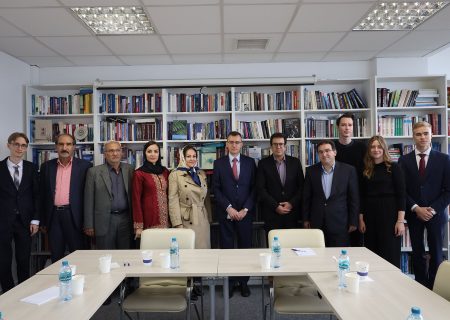
 Delegation of the Institute for Iran &Eurasia Studies Visited RIAC
The Strong Developmental State: A Review of Seyfodini’s Theory of Iranian Statecraft
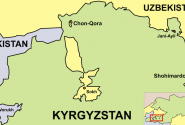
Bagram Airfield: Central Asian Security Dynamics and Great Power Rivalry
Iranian Studies in Armenia: Challenges and Future Prospects
The European Snapback Mechanism Against Iran and the US-Israeli Acts of Aggression: An Analysis Under International Law and Norms
Delegation of the Institute for Iran &Eurasia Studies Visited RIAC
The Strong Developmental State: A Review of Seyfodini’s Theory of Iranian Statecraft
Bagram Airfield: Central Asian Security Dynamics and Great Power Rivalry
Iranian Studies in Armenia: Challenges and Future Prospects
The European Snapback Mechanism Against Iran and the US-Israeli Acts of Aggression: An Analysis Under International Law and Norms
Regions

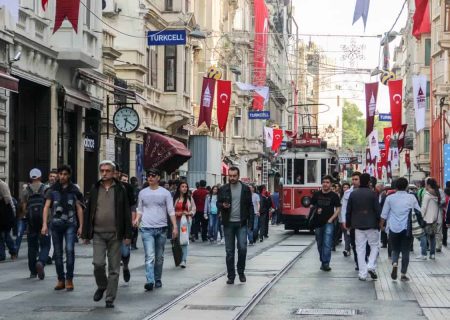
The Historical Evolution of Tourism in Modern Turkey: From the Pre-Planned Period to the Planned Period
Eric Zuelow states in his book that, democratic states, like fascist and communist ones, showed interest in tourism and leisure, though with differing approaches in interwar period. Historian Gary Cross emphasized that the paid holiday, evolving into a cherished entitlement in Europe post-war, fulfilled a deeply felt social need. Similar to totalitarian countries,...
Message of Putin’s trip to UAE, Saudi Arabia: Moscow is not isolated
President Putin, nonetheless, exercised caution during his travels to foreign countries due to the International Criminal Court’s indictment that labeled him a war criminal.
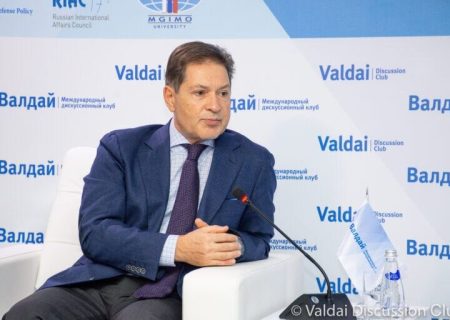
Russian professor proposes free trade regime and common technological space with Iran
MOSCOW - Russian Professor Andrey Bezrukov suggests establishing a free trade agreement and a common economic and technological space between Russia and Iran.
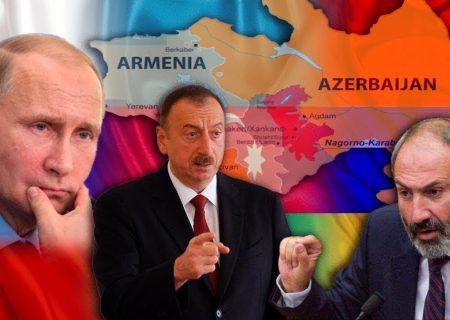
Why has Russia questionably preferred to remain silent regarding revival of Azerbaijan’s sovereignty in qarabag?
the consequences of Ukraine war mitigating Russian monopolistic and hegemonic positions in Caucasus have created the vacuums in the region which are being filled by the new extra regional countries including Turkey and China.
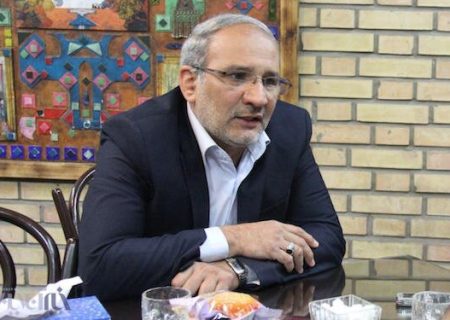
Russia-US goals gap; a barrier to peace
Moscow’s outlook appears entrenched, as it discerns limited potential for realizing its objectives or addressing its demands through such diplomatic gatherings.
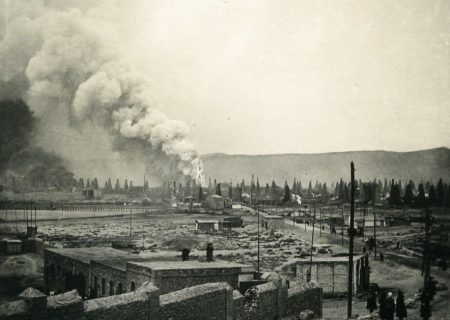
Migration Dynamics between Iran and Russia: Historical Interactions, Challenges, and Influences
During the early 20th century, Iran witnessed a notable social occurrence in the form of labor migration towards the southern regions of the Soviet Union, particularly within the environs of Baku. This phenomenon carried significant weight and drew attention to the substantial influx of Iranian laborers towards Baku and its surrounding areas.
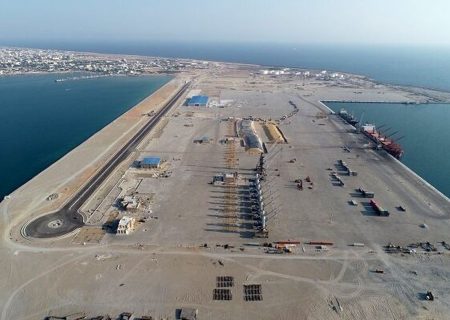
Chabahar Port Transit Project: The Eastern Wing of the International North–South Transport Corridor (INSTC)
The Chabahar Port Transit Project, is of great importance in the “International North–South Transport Corridor” (INSTC), because it is the only Iranian port with direct access to the Indian Ocean., writes Valdai Club expert Vali Kaleji.

The complex web of interdependence and threat balancing that prevents war between Iran and Azerbaijan
espite the mutual threat perceptions, the recurring tensions between the two countries have not gotten out of control and led to military conflict. In fact, over the past three decades, relations between Tehran and Baku have consistently followed a cycle of escalating and de-escalating tensions.