News
 Verses Against Tyranny: Faiz, Habib Jalib, and the Poetic Architecture of Protest and Peace
The 77th National Day of the People’s Republic of China and Beijing’s Developmental Trajectory Through 2026
The Forgotten Battlefield of 9/11: How the War on Terror Reshaped Central Asia
Iran and Turkmenistan: From Stable Neighborliness to Geoeconomic Partnership
Georgia and the Mackinder Trap: Geographical Significance and the Limits of Strategic Autonomy
Verses Against Tyranny: Faiz, Habib Jalib, and the Poetic Architecture of Protest and Peace
The 77th National Day of the People’s Republic of China and Beijing’s Developmental Trajectory Through 2026
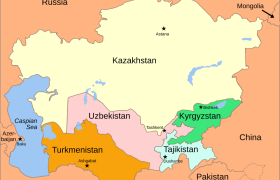
The Forgotten Battlefield of 9/11: How the War on Terror Reshaped Central Asia
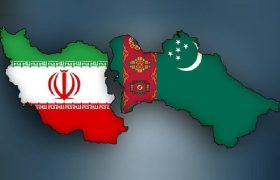
Iran and Turkmenistan: From Stable Neighborliness to Geoeconomic Partnership
Georgia and the Mackinder Trap: Geographical Significance and the Limits of Strategic Autonomy
Regions
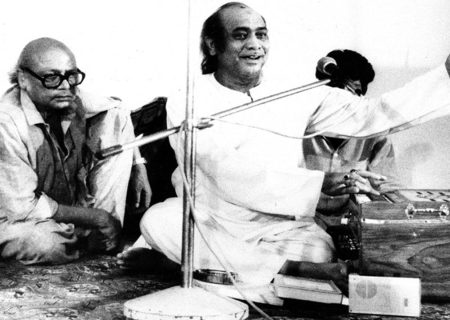
Verses Against Tyranny: Faiz, Habib Jalib, and the Poetic Architecture of Protest and Peace
Mohammad Taha Ali, research intern at center for migrant studies University of British Columbia Abstract This paper investigates the literary and political legacy of two of South Asia’s most recognizable Urdu poets, Faiz Ahmad Faiz and Habib Jalib, as the architects of a language of resistance that is anchored in the principles of justice, peace, […]
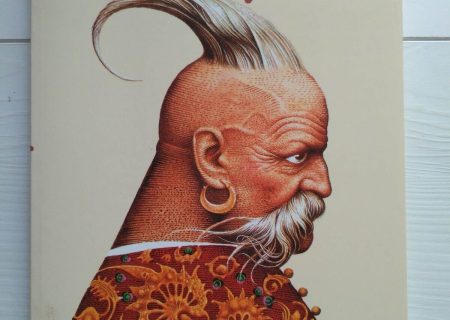
Rereading Nikolai Gogol’s Taras Bulba at the Time of the Ukraine War and its Impacts on Russian People
Although Taras Bulba has been recognized as the symbol of Russian patriotism, this novel contains levels of meaning beyond the mere praise of Russian ethnicity. Otherwise, it would be an unknown story rather than a classic in world literature.
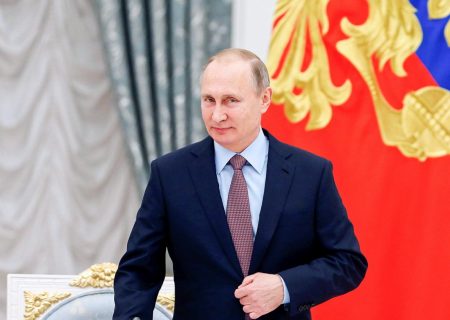
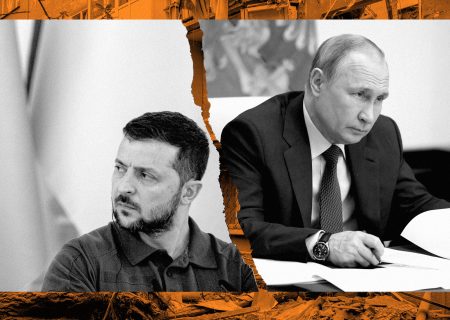
Ukraine War and Putin’s Legacy
Ukraine War is reaching its anniversary. The longevity of this war would not only have a considerable impact on Russian current affairs, but also can erode Putin’s efforts for defining the post-soviet Russia. Ukraine war will diminish Putin’s legacy as a great figure in Russian history.
Ukraine crisis perspective in 2023
The year 2022 ended and the world welcomed 2023 with congratulatory messages and fireworks in many predominantly Christian cities and wished each other a good year. A wish that is repeated at the beginning of every year, but unfortunately, due to the desire for power of the governments, especially the big powers, it does not come true, and every year in some parts of the world, war is clear.
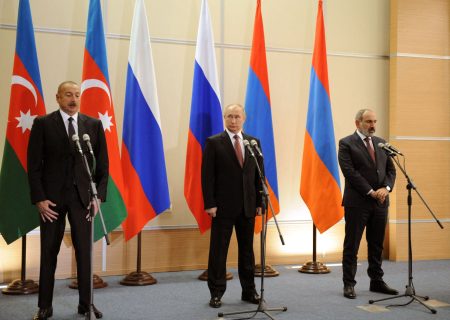
An Analysis of Armenia Not Welcoming Tripartite Negotiations
Strategic Council Online – Interview: An expert on Caucasus affairs said: Armenia is angry with Russia over its failure to give a quick and decisive response regarding the lifting of the blockage of the Lachin Corridor, and by not welcoming tripartite negotiations, it intends to show its dissatisfaction, but this action will not help to improve the situation and enables the Republic of Azerbaijan to find the possibility for more movement.
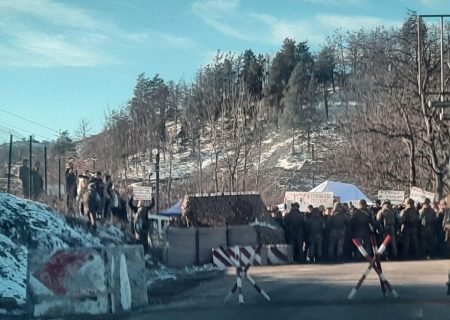
The causes and consequences of blocking the Lachin corridor
Strategic Council Online—Interview: Emphasizing that the Republic of Azerbaijan and Armenia should respect each other’s territorial integrity and observe international standards, an expert on international issues said that what happened with the blocking of Lachin corridor is against the standards of international law. The Republic of Azerbaijan should be demanded to cancel the restrictions and at the same time clarify the ambiguities of the Moscow Agreement, which was signed with the presence of Russia and between Armenia and the Republic of Azerbaijan, otherwise there is always the possibility of conflicts and disputes.
The ineffectiveness of setting the oil price ceiling for Russia to surrender
Strategic Council Online-Opinion: Recently, the Group of Seven, including seven countries with advanced economies, decided to set the price ceiling of Russian crude oil at 60 dollars per barrel in order to hit the main source of Moscow’s income at the same time as the country’s war against Ukraine is prolonged. The European Union also supported the Russian oil price cap and the US government welcomed it. Pouria Nabipour – PhD in Political Science and International Relations
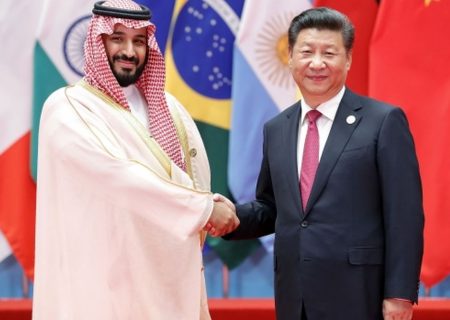
Strategic factors behind China’s (US rival) tendency towards the Persian Gulf region
Strategic Council Online—Opinion: In the recent visit of the President of China to Saudi Arabia and the unacceptable association of this country with the anti-Iranian statements of the Saudi authorities and also the members of the Persian Gulf Cooperation Council, while provoking public anger in Iran, has raised various ideas and analyses surrounding why this happened and the reasons for China’s closeness to the Arab countries of the Persian Gulf; But in this news-analytical frenzy, what has been neglected or at least less addressed is the examination and analysis of the variables and factors that caused China to be attracted to the Persian Gulf region as a competing power of the United States and its eagerness to enter into strategic agreements with various countries in this region. Mohammad Mehdi Mazaheri—University professor

OGAS & The Fate of the Soviet Internet; A Great Story of Communication History During the Cold War (Part I)
Amidst the turbulent and strained relations between the United States and the Soviet Union in the early 1960s, when Khrushchev was heavily criticized, and the Bay of Pigs invasion and Cuban Missile Crisis set the stage for a nuclear war, a small group of cybernetics living in Moscow and Kyiv were designing "electronic socialism" known as OGAS.

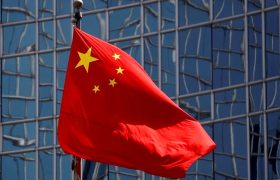
The 77th National Day of the People’s Republic of China and Beijing’s Developmental Trajectory Through 2026