News
 Verses Against Tyranny: Faiz, Habib Jalib, and the Poetic Architecture of Protest and Peace
The 77th National Day of the People’s Republic of China and Beijing’s Developmental Trajectory Through 2026
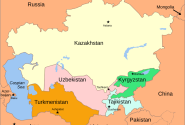
The Forgotten Battlefield of 9/11: How the War on Terror Reshaped Central Asia
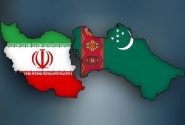
Iran and Turkmenistan: From Stable Neighborliness to Geoeconomic Partnership
Georgia and the Mackinder Trap: Geographical Significance and the Limits of Strategic Autonomy
Verses Against Tyranny: Faiz, Habib Jalib, and the Poetic Architecture of Protest and Peace
The 77th National Day of the People’s Republic of China and Beijing’s Developmental Trajectory Through 2026
The Forgotten Battlefield of 9/11: How the War on Terror Reshaped Central Asia
Iran and Turkmenistan: From Stable Neighborliness to Geoeconomic Partnership
Georgia and the Mackinder Trap: Geographical Significance and the Limits of Strategic Autonomy
Regions
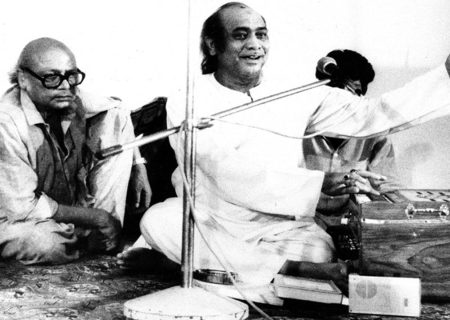
Verses Against Tyranny: Faiz, Habib Jalib, and the Poetic Architecture of Protest and Peace
Mohammad Taha Ali, research intern at center for migrant studies University of British Columbia Abstract This paper investigates the literary and political legacy of two of South Asia’s most recognizable Urdu poets, Faiz Ahmad Faiz and Habib Jalib, as the architects of a language of resistance that is anchored in the principles of justice, peace, […]
Migration Dynamics between Iran and Russia: Historical Interactions, Challenges, and Influences
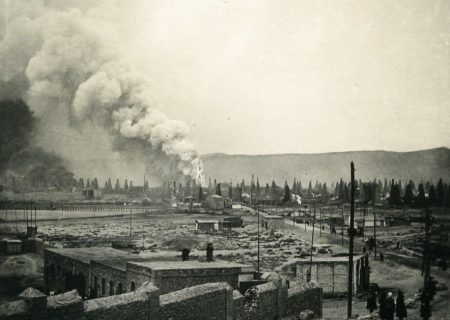
During the early 20th century, Iran witnessed a notable social occurrence in the form of labor migration towards the southern regions of the Soviet Union, particularly within the environs of Baku. This phenomenon carried significant weight and drew attention to the substantial influx of Iranian laborers towards Baku and its surrounding areas.
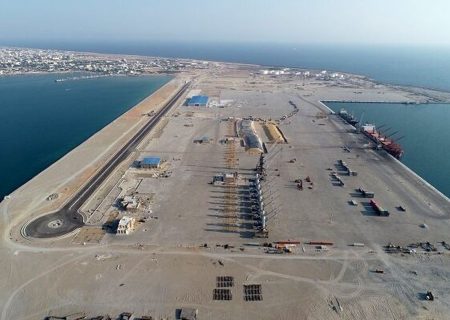
Chabahar Port Transit Project: The Eastern Wing of the International North–South Transport Corridor (INSTC)
The Chabahar Port Transit Project, is of great importance in the “International North–South Transport Corridor” (INSTC), because it is the only Iranian port with direct access to the Indian Ocean., writes Valdai Club expert Vali Kaleji.

The complex web of interdependence and threat balancing that prevents war between Iran and Azerbaijan
espite the mutual threat perceptions, the recurring tensions between the two countries have not gotten out of control and led to military conflict. In fact, over the past three decades, relations between Tehran and Baku have consistently followed a cycle of escalating and de-escalating tensions.
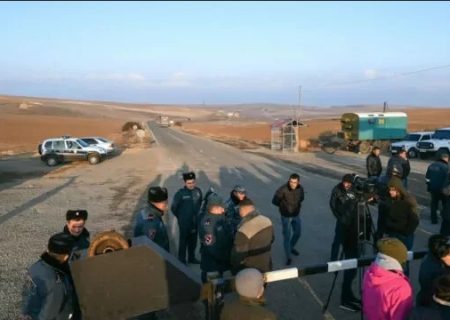
Iran Not Opposed to Deployment of EU Monitoring Mission Along Armenian-Azerbaijani Border
Tehran’s position on the EU mission is important for a number of reasons. First, following the collapse of the Soviet Union and throughout the past three decades, traditionally, Iran has opposed the intervention of extra-regional forces, especially the North Atlantic Treaty Organization, EU and United States, in the regional conflicts of the South Caucasus.
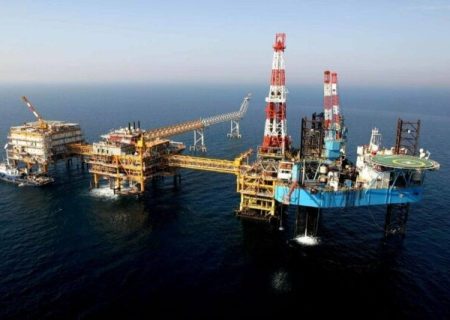
Capacities and Dimensions of Russian Investment in Iranian Oil and Gas Fields
under the current conditions of sanctions, which have stopped foreign investment in Iran’s oil and gas industries, Tehran hopes it can capitalize on the postwar conditions in Russia following the end of the Ukraine conflict and the extensive Western sanctions against Moscow to attract additional investments from the Kremlin.
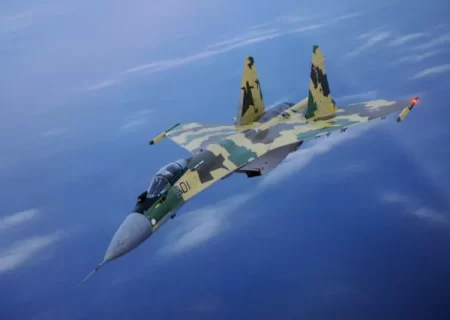
Iran’s Purchase of Russian Fighter Jets Underlines Shifting Regional Geopolitics
The news of Iran’s planned purchase of Russian Sukhoi Su-35 advanced fighter jets is the latest sign of deepening relations between Tehran and Moscow.
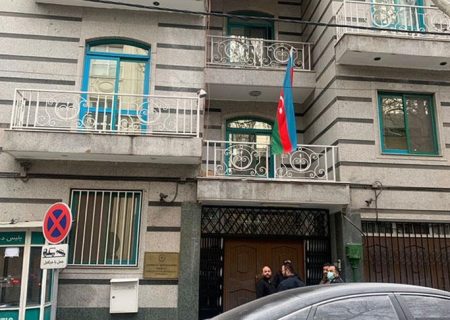
Republic of Azerbaijan Embassy Incident; an Engineered Scenario or Surfing on an Accident?
Strategic Council Online – Opinion: The tragic and criminal incident at the embassy of the Republic of Azerbaijan in Tehran, which based on the explicit confession of the assailant, took place with personal motives, ended with the timely intervention of the police force.
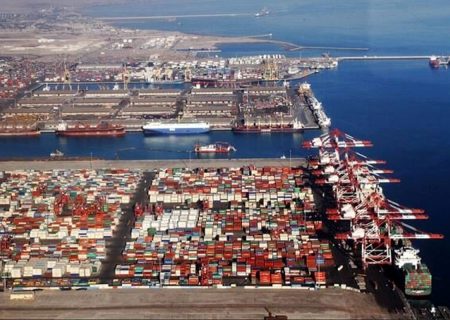
Expanding Maritime Trade Between Iran and Russia in the Caspian Sea: Capacities and Challenges
During the past year, very important and positive developments have taken place in the cooperation between the two countries in the Caspian Sea, which needs to be strengthened and developed.

The 77th National Day of the People’s Republic of China and Beijing’s Developmental Trajectory Through 2026